What Is a G Tube
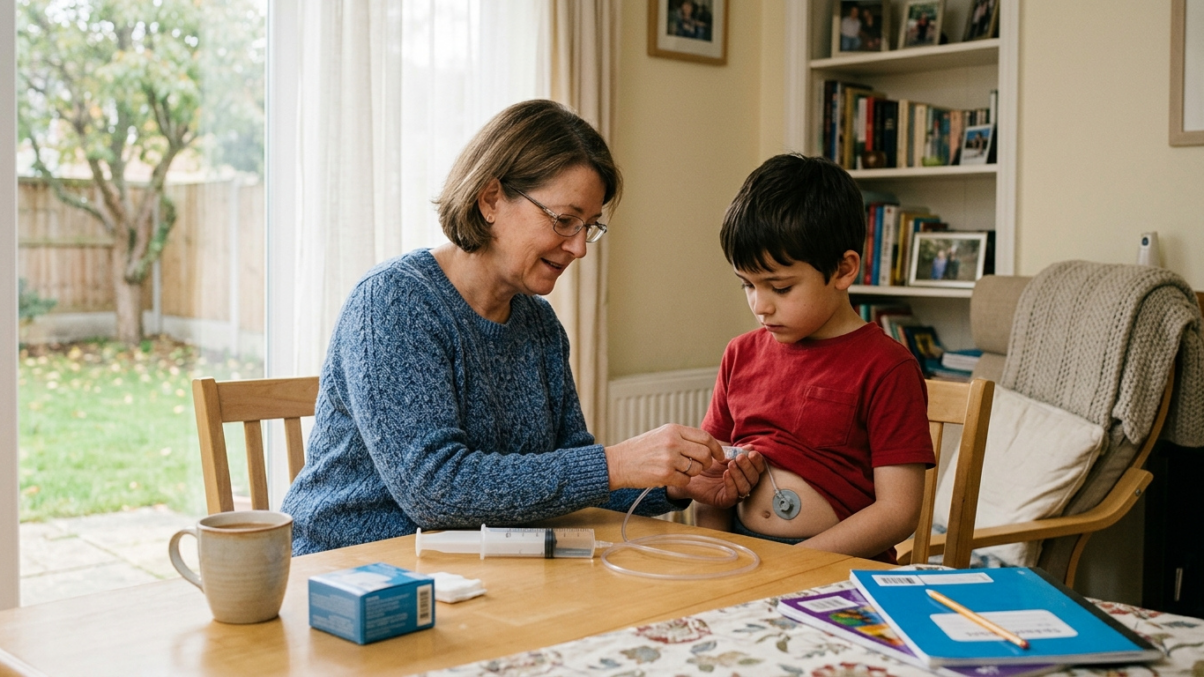
A G tube is a small, soft tube. It passes through the belly into the stomach. Doctors use it to give food, fluids, and medicine. Many children and adults rely on one every day.
This device is also called a gastrostomy tube, and it helps when eating by mouth isn’t safe or possible. Understanding it is the first step toward confident care. G tube care at home starts with knowing these basics. Once you understand the “why,” the daily routine feels less scary.
Kids may need a G tube after surgery. Others need one due to swallowing problems. Some medical conditions make regular eating unsafe. In every case, the tube simply supports proper nutrition and growth.
How to Keep the G Tube Site Clean
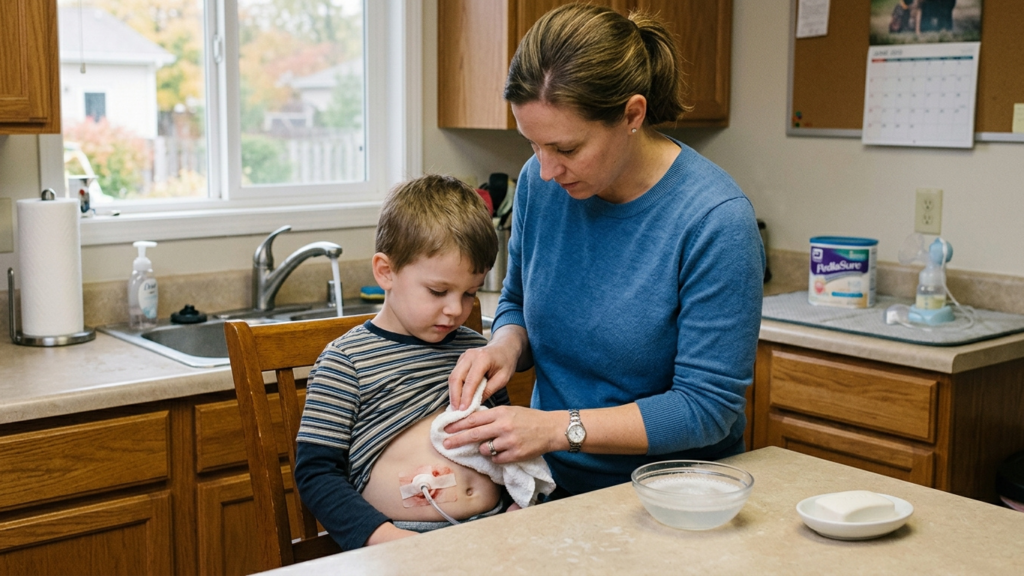
Good G tube care at home relies on one habit above all: daily cleaning. A clean site prevents most infections before they start. Parents should always wash their hands first. This one step matters more than most people realize.
Cleaning itself is easier than it sounds. Follow these basic steps every single day:
- Wash your hands with soap and warm water
- Look closely at the skin around the tube
- Clean gently with mild soap and warm water
- Rinse away all soap residue completely
- Pat the area dry with a clean cloth
Afterward, doctors also recommend flushing the tube itself. Guidance from UMass Memorial Health confirms this step matters just as much. Flushing clears away leftover formula or medicine. As a result, it helps prevent painful clogging over time.
Meanwhile, try to avoid lotions near the tube site. Many creams trap unwanted moisture against the skin. This buildup can lead to irritation or infection. Instead, stick to plain soap and water only.
Common Problems to Watch For
Even with excellent G tube care at home, small problems can still happen. Redness and mild swelling are fairly common. Leaking around the tube also occurs sometimes. Because of this, parents should check the site every day.
Infection is the most frequent complication overall. A recent cohort study found site infections in about 12 percent of cases within a month of placement. This shows exactly why daily checks truly matter. Catching problems early usually prevents bigger issues later.
Other common issues include clogged tubes or small growths of tissue. This tissue is often called granulation tissue. It can look red, moist, or slightly raised. Fortunately, it rarely causes any serious harm.
Leaking stomach fluid can also irritate nearby skin. This usually happens when the tube fits too loosely. A snug, correct fit helps prevent most leaking. Therefore, always ask your care team for a proper fit check.
When to Call the Doctor
Some warning signs need attention right away. Fever combined with redness is one clear example. Pus or bad-smelling drainage is another warning sign. Both may point toward a developing infection.
According to KidsHealth, warmth and soreness around the tube also signal trouble. Some children develop a mild fever too. Catching these signs early helps avoid bigger complications. Never wait if symptoms seem to worsen quickly.
A tube that falls out is also urgent. This is especially true during the first few weeks. The skin opening can start closing within hours. Call your doctor immediately if this ever happens.
Above all, trust your instincts as a parent. You know your child better than anyone else. If something simply feels wrong, reach out for help. Quick action almost always prevents bigger problems down the road.
How a Home Nurse Can Support You
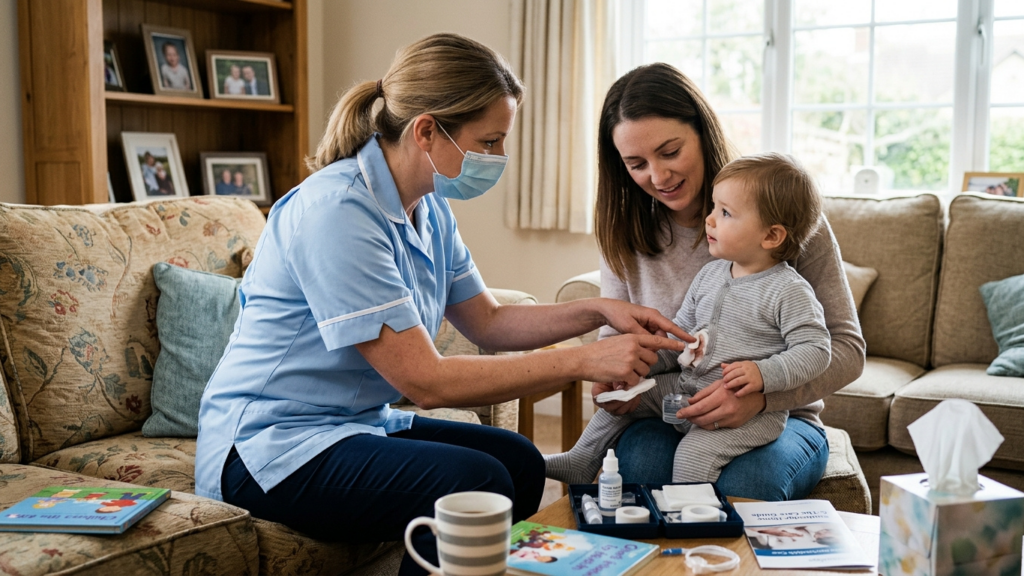
Managing G tube care at home alone can feel stressful at times. A skilled home nurse offers hands-on, personal support. They check the tube site during every visit. This adds an important extra layer of safety.
In addition, nurses teach proper cleaning and flushing techniques directly. They answer your questions in real time, too. This steadily builds parent confidence over the weeks. Consequently, this kind of support reduces everyday worry significantly.
Sunbridge Home Health Care offers helpful resources built specifically for families like yours. These resources cover feeding, cleaning, and everyday safety tips. Visiting nurses can also walk you through each step. This kind of guidance makes daily care feel far easier.
Ultimately, home nursing bridges hospital care and everyday family life. It gives parents genuine peace of mind. You no longer have to navigate this alone. Professional support is always within easy reach.
Conclusion
G tube care at home becomes easier with steady practice. Clean hands, gentle cleaning, and daily checks matter most. Watching closely for warning signs keeps your child safe. Support from trained professionals makes the whole journey smoother.
If you’re ready for extra support, Sunbridge Home Health Care can help.
Patient Referral: https://sunbridgehhc.org/patient-referrals
PDN Application Link:https://form.jotform.com/252036991437159