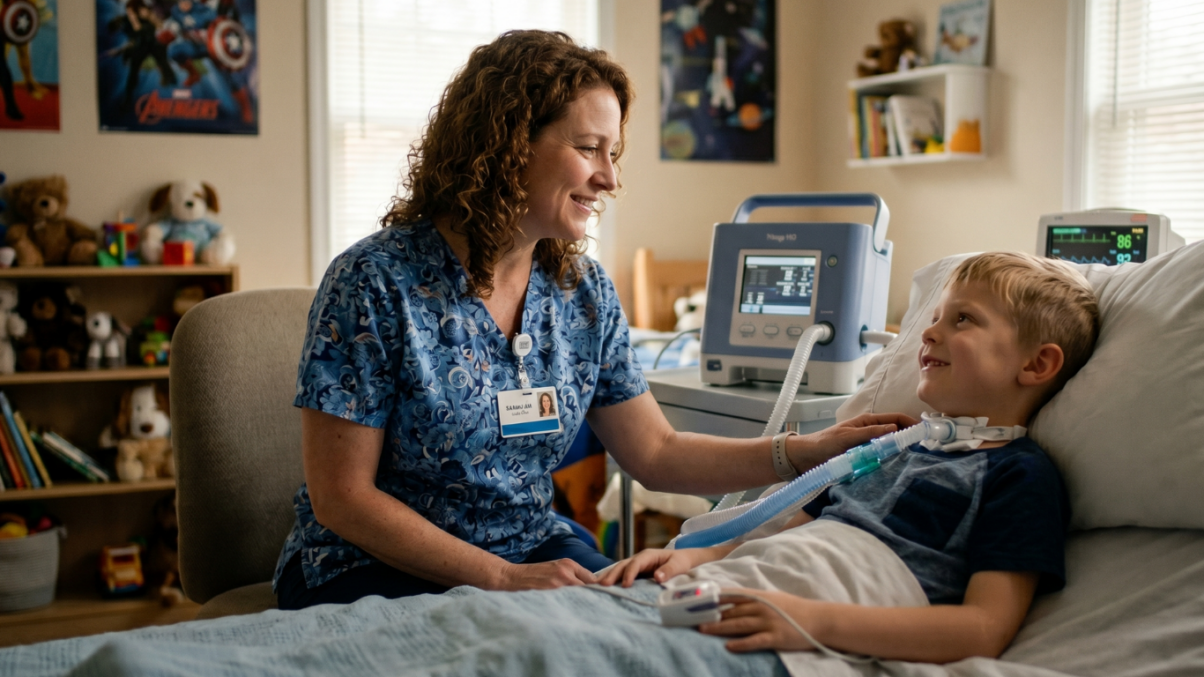
Watching your child have a seizure is one of the scariest moments a parent can face. Your heart races, and your mind fills with questions. Learning about seizure care at home can help turn that fear into confidence.
The good news is that most seizures are not medical emergencies. With the right knowledge, you can keep your child safe and calm. In addition, you don’t have to manage this alone. Many families lean on a home health nurse for extra support and peace of mind.
This guide covers why seizures happen, what to watch for, and how to respond. We’ll also explain how professional in-home care can make seizure safety at home feel more manageable for your whole family.
What Causes Seizures in Children
A seizure happens when the brain’s electrical activity is disrupted. Brain cells normally send signals to each other in an orderly way. During a seizure, those signals misfire. As a result, the body may jerk, stiffen, or briefly lose awareness.
Many things can trigger a seizure in a child. A high fever is one of the most common causes, especially in toddlers. Other triggers include low blood sugar, head injuries, and infections. According to the CDC, an estimated 456,000 U.S. children had active epilepsy in 2022. Epilepsy is a condition marked by repeated seizures.
However, having one seizure does not always mean a child has epilepsy. Epilepsy is diagnosed only after two or more unprovoked seizures. Sometimes doctors never find a clear cause. Even so, most children with seizures go on to live full lives with proper care.
It also helps to know that seizures are not contagious. Your child cannot “catch” a seizure from another person. The CDC explains that epilepsy is a brain disorder. It cannot spread from person to person. Understanding this can ease some parental worry right away.
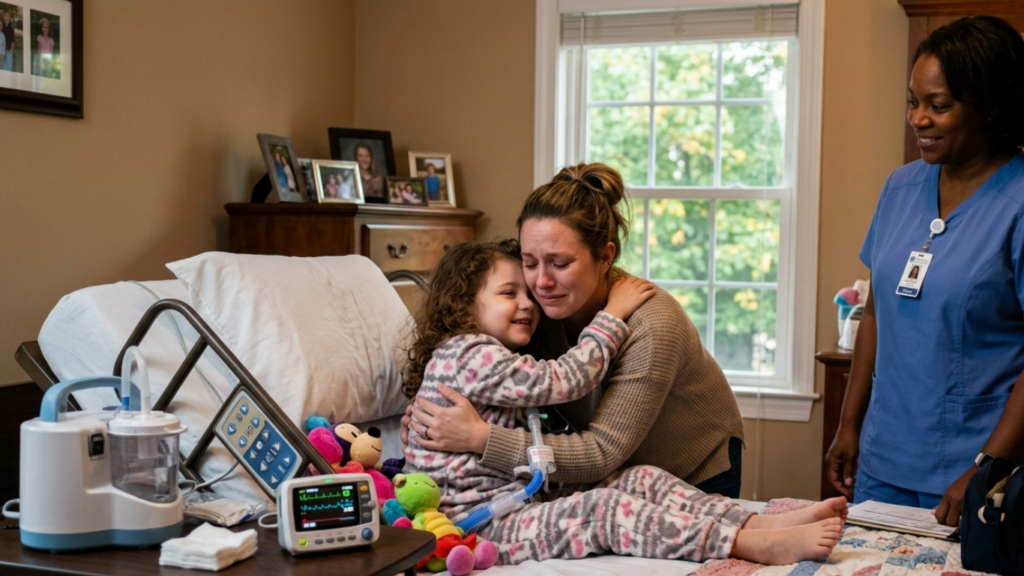
Signs a Seizure Is Happening
Seizures don’t always look like dramatic shaking on television. Some are quiet and easy to miss. Because of this, it helps to know the full range of warning signs. Recognizing them early supports faster, calmer seizure care at home.
According to Mayo Clinic, seizure symptoms vary depending on the type of seizure. They can affect almost any brain process. A child may stare blankly for a few seconds. Others show sudden jerking movements or unusual stiffness.
Common warning signs to watch for include:
- Sudden staring or a blank, unresponsive look
- Uncontrollable jerking of the arms or legs
- Stiffening of the body or falling suddenly
- Confusion or difficulty speaking afterward
- Loss of bladder or bowel control
- Lip smacking, eye blinking, or brief unresponsiveness to your voice
These signs reflect Mayo Clinic’s description of common seizure symptoms. They include confusion, staring spells, and jerking movements. If you notice these patterns, write down what you see. This information helps your child’s doctor understand what’s happening.
What to Do During a Seizure
When a seizure starts, your first job is to stay calm. Your child can sense your energy, even if unaware. Staying calm helps you think clearly and act quickly. It also models steadiness for other children who may be watching.
The Epilepsy Foundation’s seizure first-aid guidelines are built around three steps: Stay, Safe, and Side. These steps work for most seizure types. Here’s how they apply to caring for a child during a seizure:
- Stay with your child the entire time. Time the seizure using a clock or phone. This information matters for their doctor later.
- Keep them safe. Clear away nearby furniture, toys, or sharp objects. Do not hold your child down or restrain their movements.
- Turn them on their side if they are not fully alert. This position helps keep the airway clear.
Never put anything in your child’s mouth during a seizure. Contrary to old myths, a person cannot swallow their tongue. In addition, most seizures end within a few minutes on their own.
However, some situations require immediate emergency help. Call 911 if the seizure lasts longer than five minutes. You should also call if your child struggles to breathe afterward. The same is true if a second seizure starts right away. This guidance reflects widely shared Epilepsy Foundation advice on when a seizure becomes an emergency.
How a Home Nurse Can Help
Managing seizures at home becomes easier with professional support. A skilled home health nurse brings trained eyes to your household. They know how to recognize early warning signs before a seizure escalates. This extra layer of awareness can bring real relief to tired, watchful parents.
Home nurses also help with day-to-day prevention. They track medication schedules and watch for missed doses. In addition, they monitor for fevers, illness, or other seizure triggers. Because of this attention, seizure patterns can be caught and reported early.
When a seizure does happen, a trained nurse knows exactly how to respond. They can perform seizure first aid calmly and correctly. They also document details, like duration and symptoms, for your child’s neurologist. This record keepingoften helps doctors adjust treatment plans more precisely.
Perhaps most importantly, a home nurse offers steady reassurance. Parents don’t have to carry every worry alone. Instead, you gain a partner who understands your child’s needs. This support can turn seizure safety at home into a manageable routine.
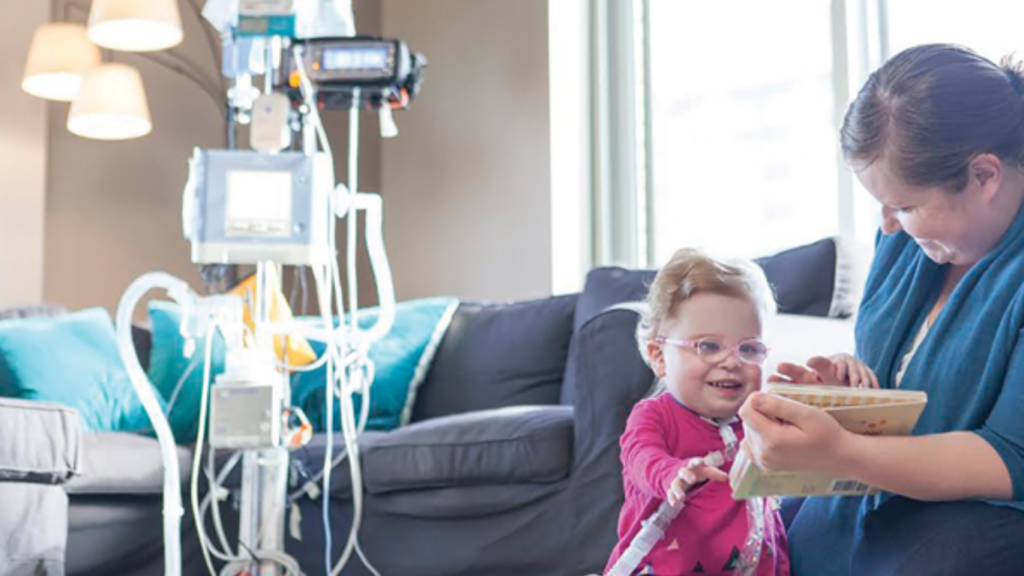
Partner with Sunbridge Home Health Care for Ongoing Seizure Support
At Sunbridge Home Health Care, we understand how personal seizure care at home truly is. Every child’s condition, triggers, and needs are different. That’s why our skilled nurses build care plans around your family’s situation. We work closely with your child’s doctors to stay aligned on treatment goals.
Our nurses provide hands-on monitoring, medication support, and seizure first aid when needed. In addition, we offer training so your whole family feels prepared. Our goal is to help prevent seizures, not just respond to them. We also stay in close communication with parents about what’s happening.
Above all, we want families to feel supported, not alone. Caring for a child during a seizure is easier with a trusted partner nearby. Sunbridge is here to bring skilled, compassionate care into your home. We’re honored to walk alongside your family through this journey.
Moving Forward with Confidence
Seizures can be frightening, but knowledge and support make a real difference. Knowing the causes, warning signs, and first-aid steps helps you respond with confidence. Pairing that knowledge with a skilled home health nurse brings even greater peace of mind. Your family doesn’t have to navigate seizure care at home alone.
Ready to get started?
👉 Refer a Patient : https://sunbridgehhc.org/patient-referrals/
👉 Apply Here : https://form.jotform.com/252036991437159