Home-Based Care Is Growing Fast
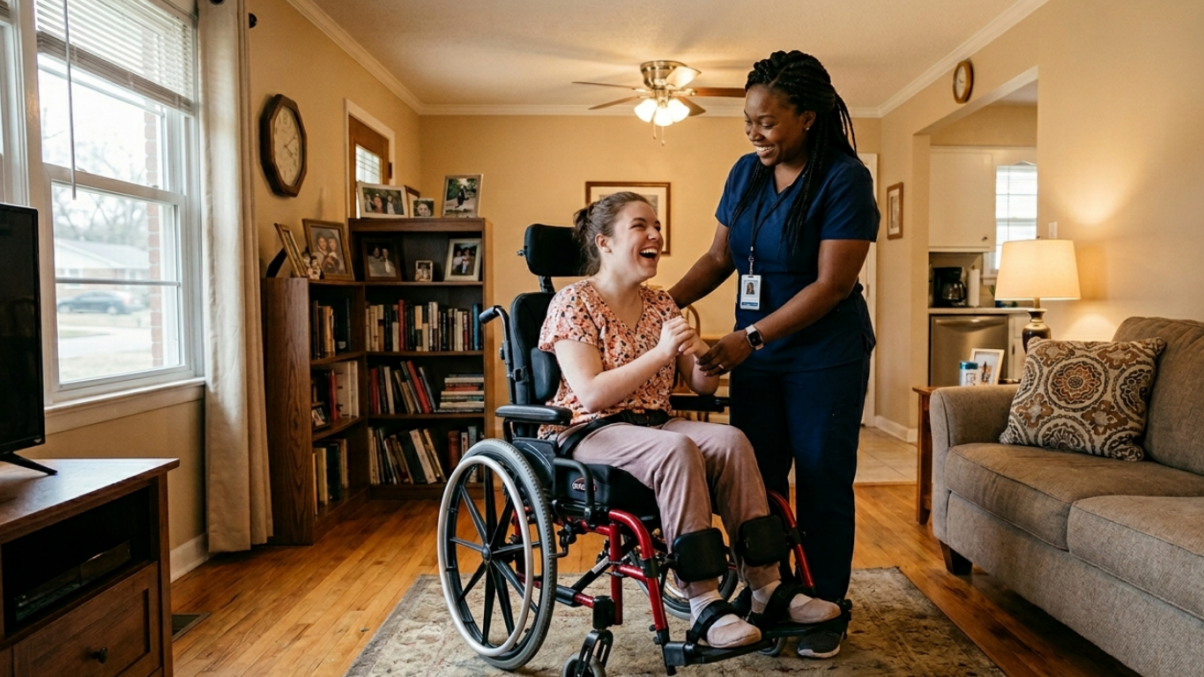
The way Americans receive medical care is changing. More and more families are skipping nursing homes and choosing to get help right at home, and the data backs this up in a big way. The U.S. home care market is already projected to generate over $107 billion in revenue, with estimates pointing to $176 billion by 2032. That kind of growth does not happen by accident.
A big reason for this shift is simple: people prefer it. Research shows that 87% of older adults say they want to stay in their own homes rather than move into a nursing facility or assisted living community. That preference is now being matched by real access to high-quality care at home, making this more than just a wish; it is becoming the standard. And with nearly 9 out of 10 seniors expressing the same desire, the demand for home health care is only going to keep climbing.
Alabama is feeling this shift too. The Alabama Department of Senior Services projects that the state’s senior population will grow by 34% between 2020 and 2040, reaching over 1.1 million older adults. That means the need for skilled, compassionate, in-home care is not just growing. It is urgent.
Fewer Hospital Trips, Better Outcomes
One of the strongest arguments for home-based care is what it does to hospital visits. When patients receive the right care at home, they are less likely to end up back in the emergency room. Data from the Centers for Medicare & Medicaid Services (CMS) shows that patients receiving home health care have lower rates of hospital readmissions compared to those in institutional settings, along with better management of chronic conditions.
A study highlighted by the American Medical Association found that a home recovery care program led to a 44% reduction in hospital readmission rates. That is a dramatic drop. On top of that, the program reported a more than 90% patient satisfaction rate, meaning patients were not just healthier, they were happier.
The Agency for Healthcare Research and Quality (AHRQ) found that home-based care programs resulted in shorter recovery times, fewer complications, and lower readmission rates than traditional hospital care. Patients and their families also reported higher satisfaction throughout the process. The evidence is hard to ignore:keeping people out of the hospital is both better for their health and better for the system.
The Cost Difference Is Significant
Let’s talk money, because for most families, cost is one of the biggest factors when making care decisions. The numbers clearly favor home health care over nursing facilities. The 2024 Genworth Cost of Care Survey shows the median monthly cost of home care runs about $6,300, while a private room in a nursing home averages around $10,600 per month. That is a difference of more than $4,000 every single month.
Over the course of a year, that gap adds up to roughly $51,000 in potential savings for families choosing home-based care. For many households in Alabama, where incomes are often below the national average, this is not a small thing. It is the difference between sustainable care and financial hardship.
A 2023 peer-reviewed systematic review published in the International Journal of Environmental Research and Public Health found that home care is cost-saving when compared to in-hospital care for adults and older adults. This was not one study; it was a review of multiple studies across several countries, making the finding even more reliable. The bottom line: quality care at home costs less, plain and simple.
PDN and DSP Services: Meeting Complex Care Needs at Home
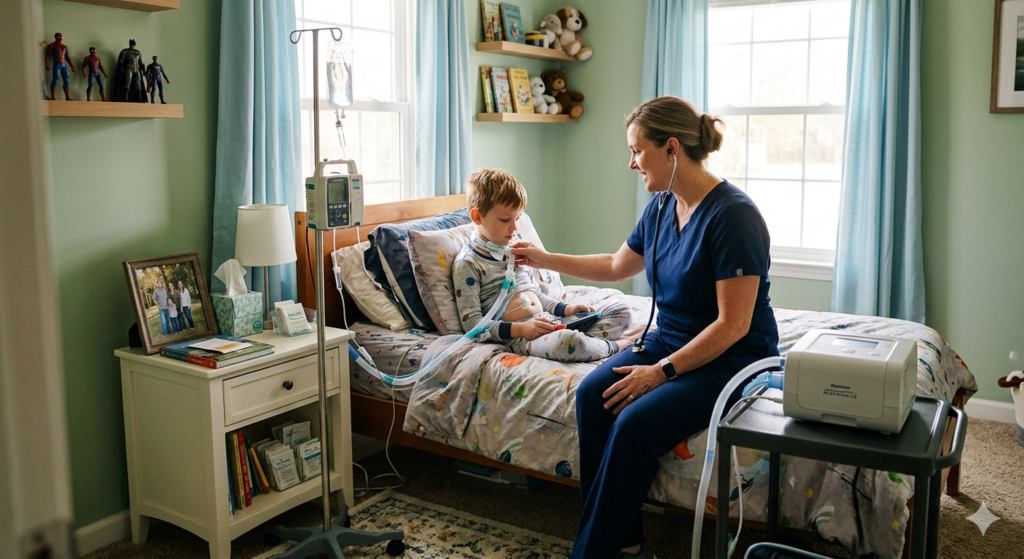
Not everyone who needs care at home has simple needs. Some patients, especially children with serious medical conditions, require skilled nursing care around the clock. This is where Private Duty Nursing (PDN) and Direct Support Professional (DSP) services come in, and Alabama has specific Medicaid programs designed to support them. Alabama Medicaid covers PDN services for eligible patients who need continuous skilled nursing care at home, particularly children under age 21 through EPSDT screening referrals.
Here is a quick breakdown of what these services look like in practice:
- Private Duty Nursing (PDN): Skilled, one-on-one nursing care provided at home, often for patients with complex medical needs like ventilator dependency, feeding tubes, or neurological conditions. It is more individualized than a standard home health visit.
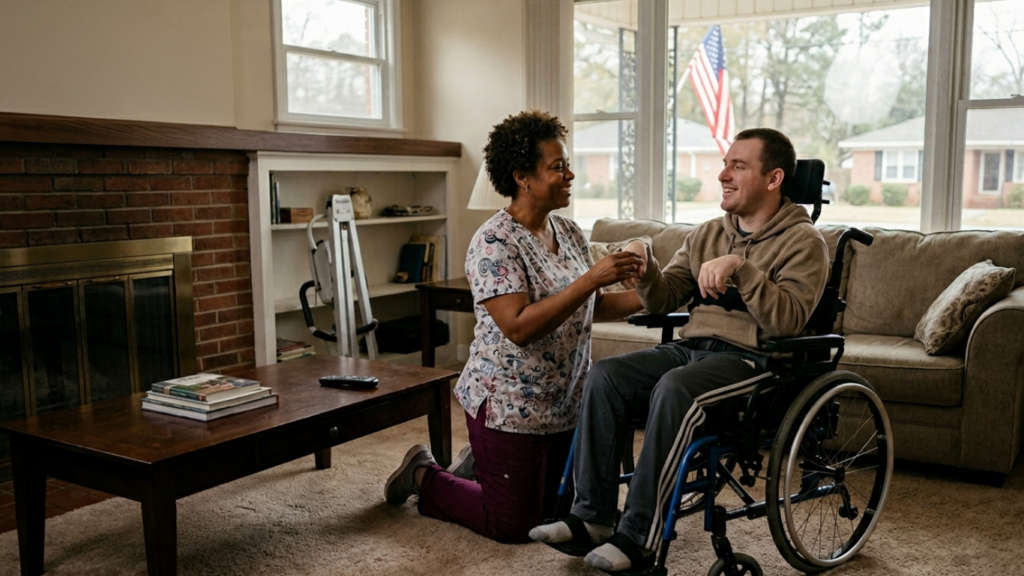
- Direct Support Professionals (DSPs): Trained caregivers who assist individuals with intellectual or developmental disabilities (IDD) with daily living tasks, community participation, and personal care, so they can live at home instead of in a facility.
- Medicaid Waiver Programs: Alabama’s waiver programs help fund in-home services for individuals who would otherwise require institutional care, giving families more flexibility and choice.
- Demand Is Rising: PHI (Paraprofessional Healthcare Institute) reports that the direct care workforce is expected to add over 772,000 new jobs between 2024 and 2034, the largest growth of any job sector in the country, driven largely by demand for home- and community-based care.
- Workforce Challenges Remain: Despite strong demand, over 59% of home care agencies report ongoing caregiver shortages, making it critical for families to connect with providers that have trained, reliable staff.
Alabama’s Aging Population Makes This a Statewide Priority
Alabama is not just following a national trend. It is experiencing its own unique wave of demand that makes home health care a local priority. The Alabama Department of Public Health notes that health concerns for elderly residents have risen from the 10th to the 7th leading health indicator in the state. Alabama also holds the second-highest Alzheimer’s Disease mortality rate in the country, at 54 deaths per 100,000 people. These are not just statistics; they represent real families navigating complex care decisions every day.
The state’s aging population is growing faster than its care infrastructure is expanding. The Alabama State Plan on Aging (2025-2028) acknowledges the growing demand for services and calls for new strategic collaborations to meet it. With over a third more seniors expected in Alabama by 2040, the window to build strong, community-based care networks is now. Home health care, delivered by skilled and compassionate providers, is at the heart of what that future needs to look like.
Meanwhile, the Alabama Department of Public Health confirms that home health services in the state are delivered by registered nurses, licensed practical nurses, home health aides, and therapists, with eligibility varying based on age, disability, and other factors. Families across the state have more access to professional in-home care than ever before, and connecting with the right provider makes all the difference.
The Data Points Home, and So Does the Right Choice for Your Family
The research is clear, the trends are undeniable, and the need in Alabama is real. Home health care is not just a preference; it is a proven, cost-effective, and deeply human approach to caring for the people we love most. Whether your family is navigating a new diagnosis, managing a chronic condition, supporting a child with complex needs, or simply helping an aging parent live with dignity, in-home care offers something no facility can fully replicate: the comfort and familiarity of home.
At Sunbridge Home Health Care, we are not just following these trends. We are living them every day. Our team of skilled nurses, Direct Support Professionals, and dedicated caregivers serves Alabama families with evidence-based care that is built around each patient’s real needs. We believe that great care does not require leaving home.
Ready to learn how we can support your family? Visit us at sunbridgehhc.org to explore our services, ask questions, and take the first step toward care that truly comes to you.